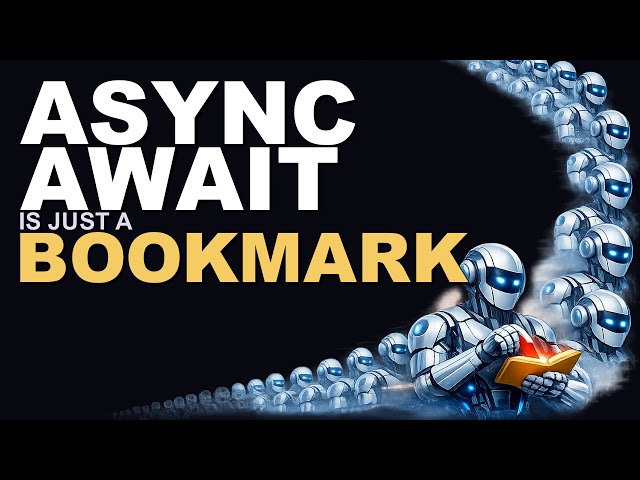
Async Await Is Just a Bookmark
Most developers think async/await runs things in parallel. Wrong. It's just a bookmark — a pausable function that saves its place and steps aside.
asyncawaitcoroutines
VISUAL SYSTEMS
Visual mental models for the systems you use but don't fully understand. No prerequisites. No hand-waving. Just clear, animated explanations.

Most developers think async/await runs things in parallel. Wrong. It's just a bookmark — a pausable function that saves its place and steps aside.
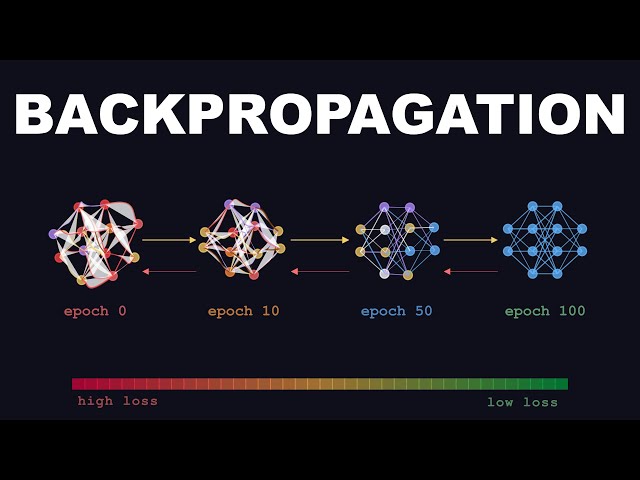
The chain rule meets gradient descent. Watch how neural networks learn by propagating errors backward through every layer.
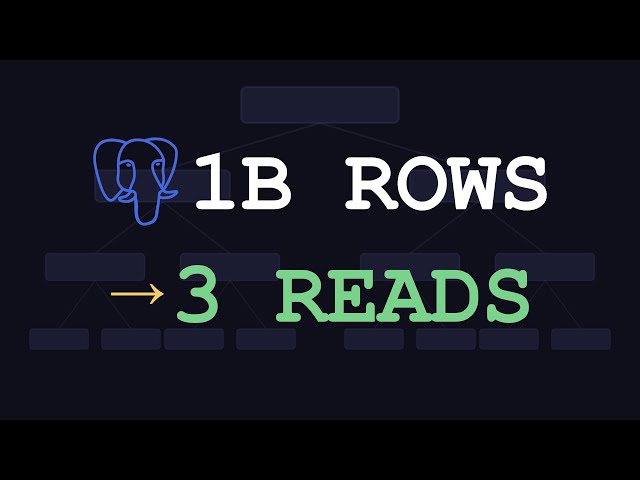
Every database you use is built on B-trees. See how they minimize disk I/O to search billions of rows efficiently.
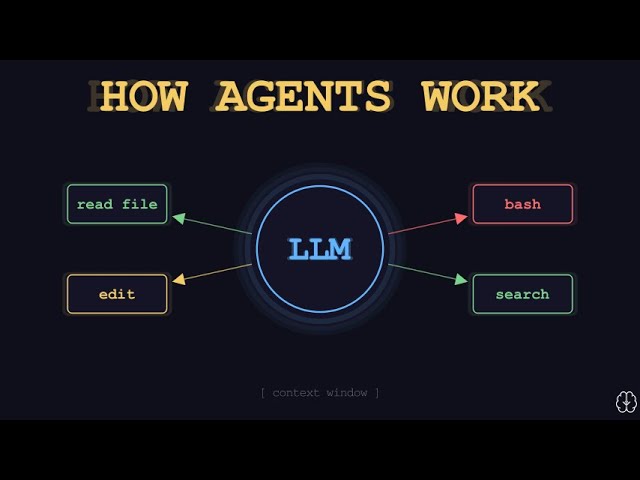
How do tools like Claude Code, Cursor, and Devin actually write code? The ReAct loop, tool calling, and context management — animated.

Every web developer has hit the CORS error. This video explains what it actually is and why curl bypasses it.
Every step of a DNS query visualized — from your browser's cache to root servers and back, in under 7 minutes.
Docker containers are not virtual machines. See how namespaces, cgroups, and union filesystems create isolated Linux processes.
The 5 generations of engineering that turned hot partitions into a solved problem — from consistent hashing to global admission control.
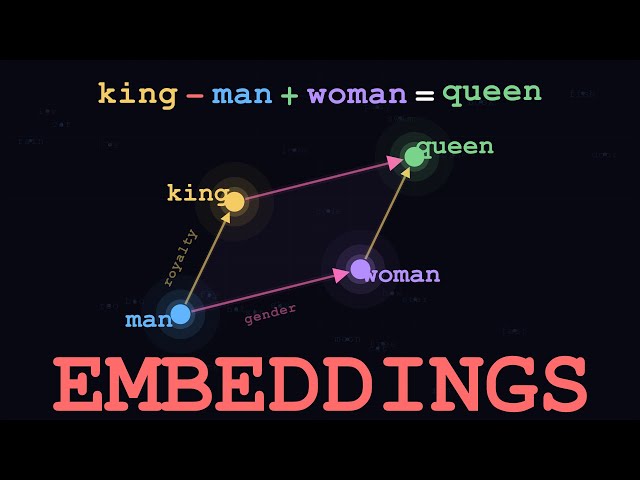
Words as vectors, sentences as geometry. How embedding spaces capture meaning and power modern AI — from Word2Vec to CLIP.
How JavaScript runs 1000 async tasks on a single thread. The call stack, task queue, microtask queue, and Web APIs — visualized.
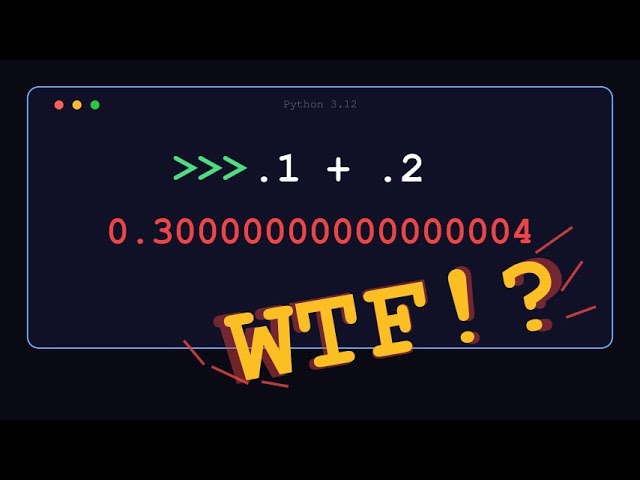
Why computers can't represent 0.1 exactly, and what IEEE 754 does about it. The sign-exponent-mantissa encoding, visualized.
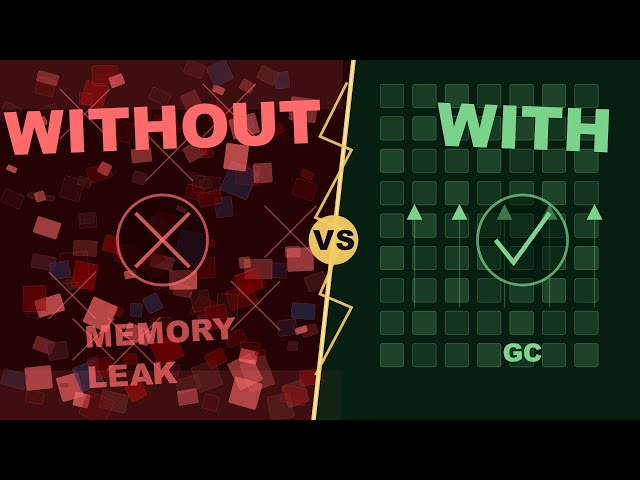
Mark-and-sweep, reference counting, generational collection — how your runtime silently frees memory you forgot about.
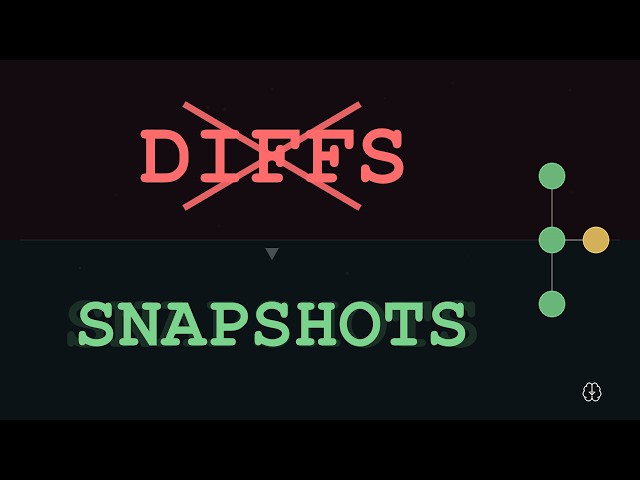
Git is a content-addressable object store, not a diff tracker. See how blobs, trees, and commits actually work under the hood.
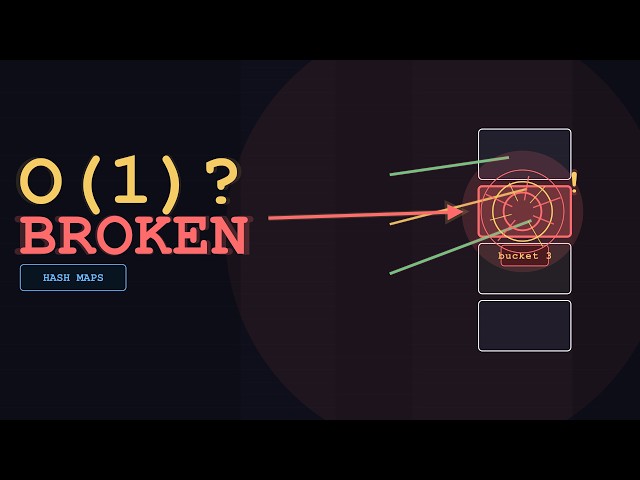
A deep dive into hash maps — from the core hash-to-index trick, through collisions and resizing, to how Python, Java, and Go implement them differently.
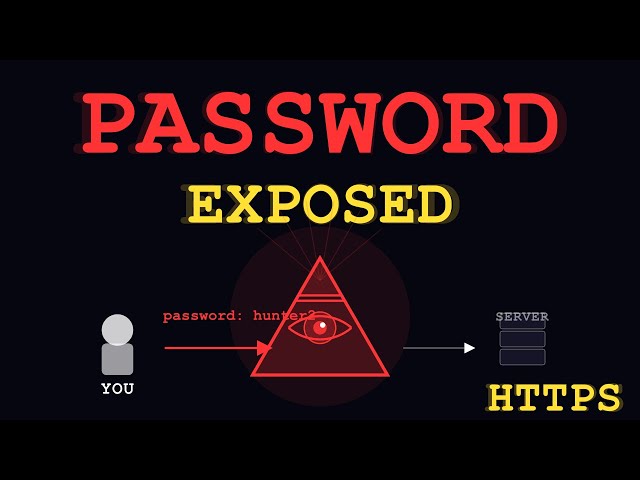

Every malloc() call triggers a hidden negotiation between your program and the OS for raw memory. Learn how the heap works, free lists, fragmentation, and memory arenas.
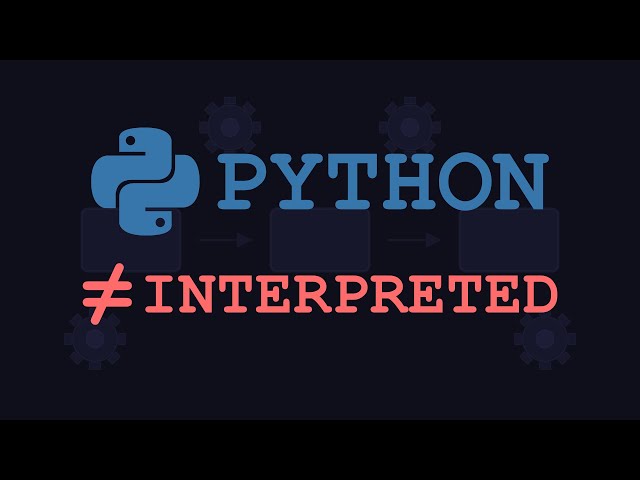
Python compiles to bytecode before interpreting it. See the hidden compiler, the dis module, and what actually runs when you hit Enter.
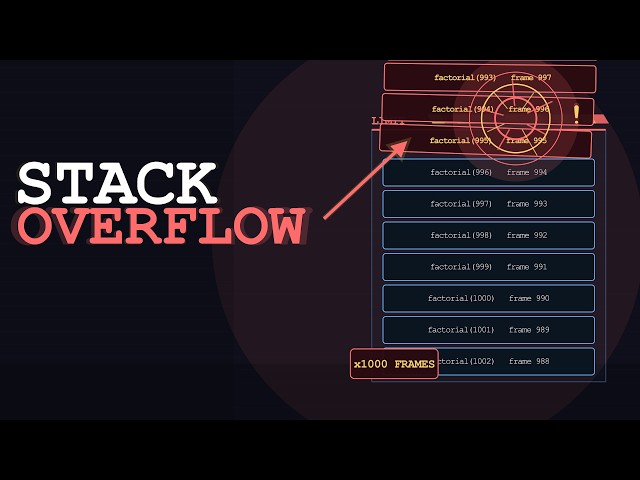
Recursion visualized from the ground up. Watch the call stack build, see Fibonacci branch into a tree, and understand why memoization changes everything.

Your regex compiles into a state machine every time it runs. NFA construction, DFA conversion, backtracking simulation, and the catastrophic ReDoS attack — all animated.
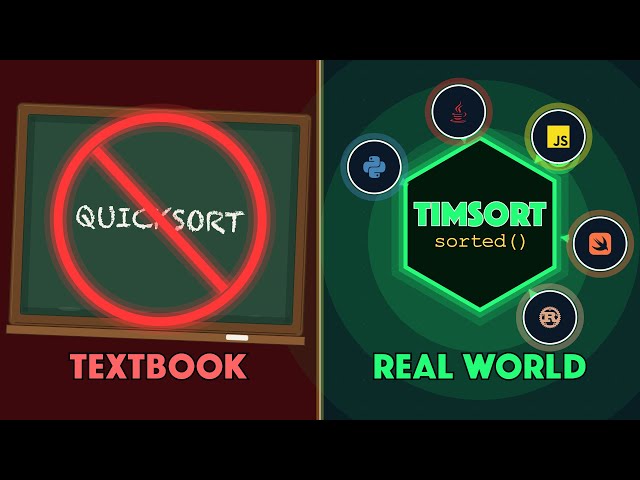
Every .sort() call in Python, Java, JavaScript, Swift, and Rust runs the same algorithm — and it's not quicksort. It's Timsort. Written by one guy in 2002. Here's why it beat everything CS professors teach you.
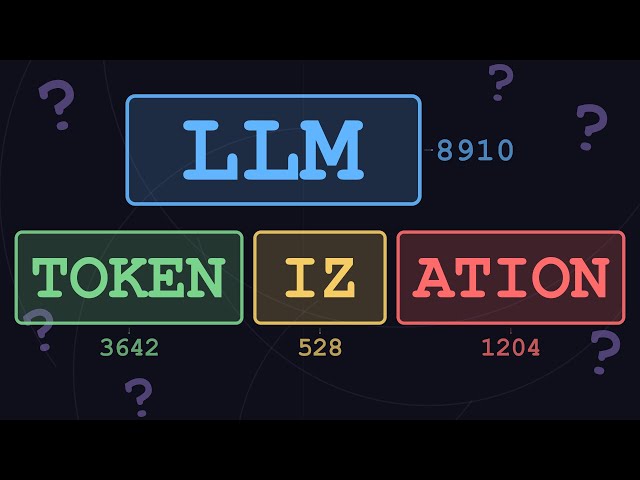
BPE, token boundaries, and glitch tokens — why language models see text differently than you do.
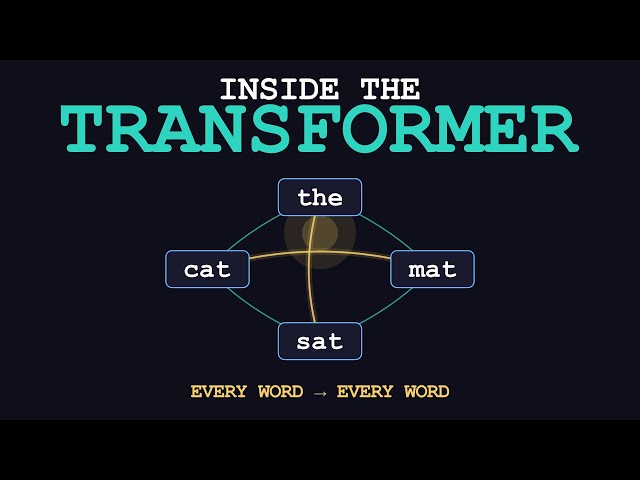
Self-attention, query-key-value, feed-forward networks, and generation — the full transformer architecture, animated step by step.
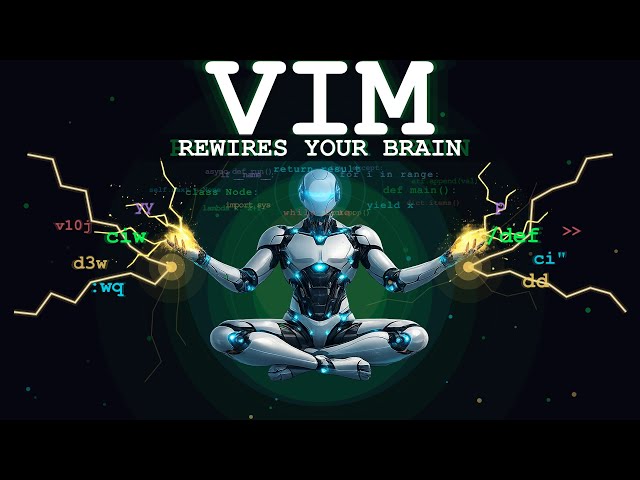
Vim commands aren't random shortcuts — they're a composable language. Learn the verb + noun grammar, text objects, the dot command, and how the multiplication effect gives you hundreds of commands from a handful of building blocks.
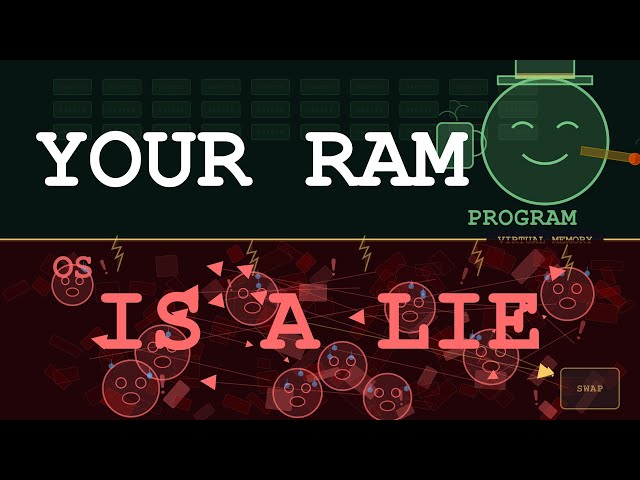
Your program's memory addresses are a lie. Page tables, TLBs, and swap space — the OS abstraction that makes multitasking possible.
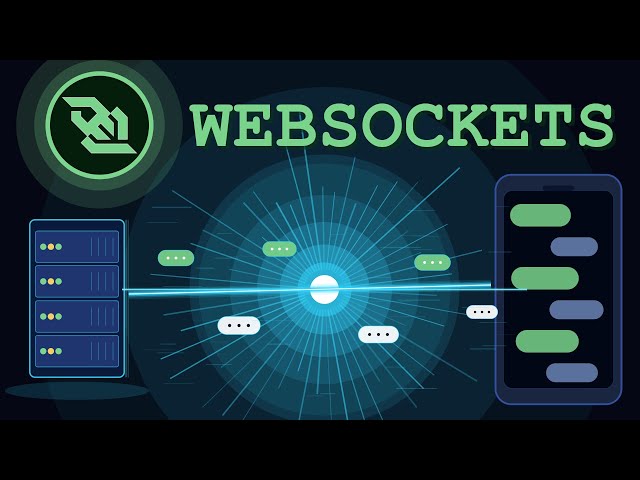
HTTP hangs up after every message. WebSockets keep the line open. The protocol underneath chat apps, multiplayer games, and live dashboards — from the upgrade handshake to the 101 switch to persistent frames.
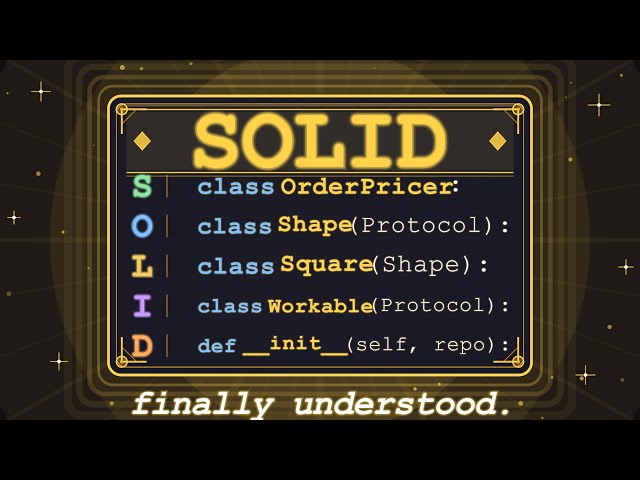
Five letters every developer has seen in a PR comment, an interview, or a job posting — and most have nodded without really understanding them. SRP isn't one method per class. OCP isn't never modify code. Liskov isn't just about inheritance. Here's what SOLID actually means, in six minutes.
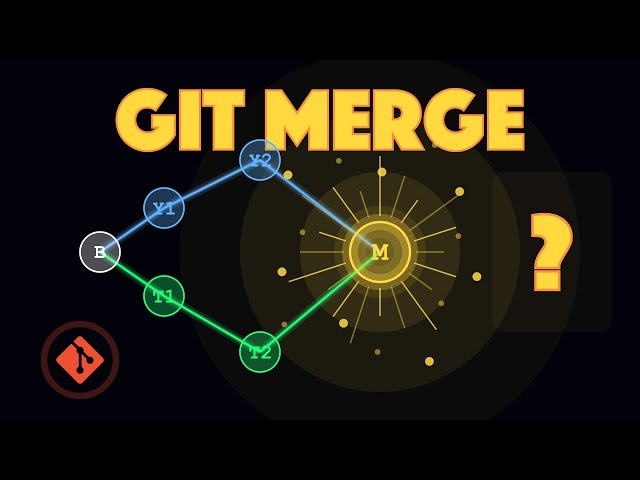
Most developers think git merge just combines two branches. The truth: it finds a secret third file — the merge base — and uses three-way comparison to figure out who changed what.